














![Movie poster for '[Rec]" (2007).](https://www.lionnewspaper.com/wp-content/uploads/2023/04/rec-640x900.jpg)



The Blues
Throughout the winter months, there’s a noticeable shift in mood on campus. When the days are shorter and the weather is colder, school can feel monotonous and dreary. Students trudge through the halls, wearing tired expressions and dreaming about the far-off summer months. After winter break, the days blend and weekends and breaks seem further and further away.
Though the weather being gray is normal, feeling more than a little gray is not.
Let’s be real—seasonal depression is no joke.
Seasonal depression, also known in the medical world as Seasonal Affective Disorder (SAD), is defined by the National Institute of Mental Health as “a type of depression characterized by a recurrent seasonal pattern, with symptoms lasting about four to five months out of the year.” SAD can occur during both the winter and summer months (winter-pattern SAD vs. summer-pattern SAD), but it is more common in the winter. According to Mental Health America, 5% of the U.S. population experiences SAD, with four out of five of them being female. Common symptoms include oversleeping, overeating, social withdrawal, decreased energy, and feelings of hopelessness, among others. This can take a toll on students, leading to poorer academic performance and rifts in relationships.
The Struggle
According to the National Alliance on Mental Health (NAMI), the most effective approach to treating SAD often involves a combination of strategies, including antidepressant medications, cognitive-behavioral therapy, and exercise. In addition to these traditional treatments, SAD can also be addressed through light therapy, which involves daily exposure to a light box that simulates high-intensity sunlight. Ordinary indoor lighting is insufficient for this treatment, making proper equipment and guidance essential.
“We work closely with teachers and counselors to advocate for kids who are feeling overwhelmed and help create a plan for student success,” class of ’26 social worker Annette Butler said.
Through personal conversations and meeting students where they are at, counselors can help identify symptoms and give strategies that students can use as these negative patterns develop, class of ‘26 counselor Jane Bauer said.
“We consult with teachers to find ways to best support the students and encourage them to communicate with us on days they are struggling,” Bauer said. “We emphasize the need for students to tell us when they are struggling or just more tired. Teachers can relate to students feeling this way. Oftentimes, just knowing that others are feeling this way doesn’t make one feel so upset with themselves.”
Counselors see an increased tardiness to the first hour and an overall tired feeling in students, Bauer said. Waking up before the sun can be challenging for students and staff. The longer the sunlight is covered by clouds, the more it can decrease our energy levels.
“Most important is to get outside when the sun is out as much as you can,” Bauer said. “Thirty minutes of outdoor movement can improve your sleep, Vitamin D, exercise, etc.”
Social workers are located in the counseling office and are ready and available to support students. Social workers maintain confidentiality with students, unless it pertains to safety.
The Burnout
During the early acceptance college decision season, January to February, many students start mentally “checking out,” Bauer said. However, it is becoming more dangerous as they are seeing an increase in deferrals to college. Additionally, after spring break and the many senior spring breaks, students are so focused on prom, breaks, etc, counselors see the biggest decline in senior motivation.
“By checking out now, you are making checking back in harder,” Bauer said. “The habits [students] create now (strong attendance, doing your homework) are vital in college.”
While there is a Nov. 1 deadline, you will not hear back from colleges until February, Bauer said. Students should be looking at plan A or plan B, as there are many factors outside of just acceptance to consider.
“High school is a four-year journey, not a sprint, so it is important that students take classes that allow them to develop interests and passions,” Bauer said.
Student effort in classes is changing as teachers see students so focused on the grade and not on actual learning, Bauer said.
“I think junior students have been coming a lot more emotional and invested in their grades right now,” Josie Akalaitis ‘27 said. “The transition from sophomore year to junior year to now at NC, starting standardized testing, college planning, and taking way more challenging courses, feels overwhelming. After undergoing part of junior year, I want the feeling of being ‘done’ and understand how ‘senioritis’ is a thing.”
Students feel stressed and pressured to take on too much in order to be competitive for college, Bauer said. As some colleges want to see test scores for acceptance or scholarships again, students are feeling the pressure to have a higher score as the standardized testing season arrives.
“Students need to understand what a score really means,” Bauer said. “A 30 ACT or 1370 SAT puts a student in the top 5-7% of students in the country, and yet so many of my students think anything below that is not good. That is fantastic. Unfortunately, those top-tier schools, where everyone wants to get in, can make one feel inadequate, which is crazy.”
Students who are feeling burnt out should get outside more, find a non-technology based activity that interests them to allow them to relax, Bauer said. When you find yourself stuck, have a plan ready to do something else. Juniors who are feeling overwhelmed should practice Time management and realistic expectations
The Connection
“Sometimes I have to literally step away from my phone to focus on what I need,” Brooke Bunnell ‘26 said.
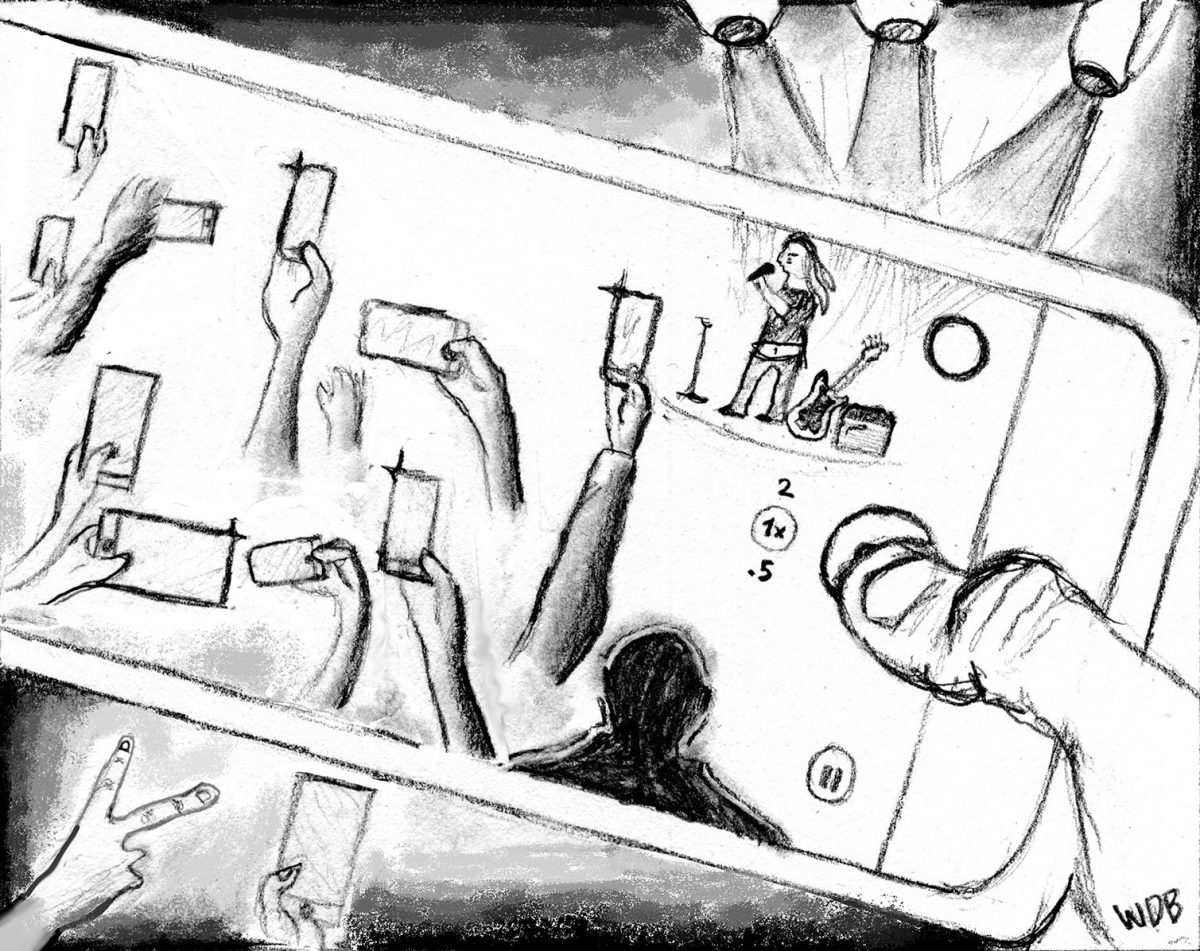
Social media can be a major distraction for students, but it can also provide a means of connection and help build relationships.
“I think sending fun videos to friends and interacting with others can be a lot of fun, but seeing everything happening in the world around us and some of the things people go through can be really heavy,” Suzy Avakian ‘26 said.
Online platforms are an amplifier for negative media. According to a University of Cambridge study, social media users are 1.91 times more likely to share news articles that are negative rather than positive.
“Social media affects my mental health by causing me to stress about random things, [and] my screen time impacts my sleep schedule because I stay up late doomscrolling,” Bunnell said.
Not only does engaging with social media distract from sleeping, [but] the blue light emitted from devices tricks the brain into thinking it’s daytime, lengthening the time it physically takes to fall asleep.
“I am definitely on my phone or watching TV shows when I should be sleeping too often, but when I need to lock in, I set screen time limits on apps like TikTok and Snapchat,” Avakian said.
The Verdict
“Social media is bad for you” isn’t news to anyone. In fact, countless studies have shown the downright detrimental effects of social media on teenagers, where social media is linked to depression (and other mental health conditions), low self-esteem, feelings of loneliness, poor sleep, and body image issues, to name a few.
When it’s too cold to go outside, turning to social media can seem like a quick fix to escape reality for a bit. But don’t be fooled. Five minutes on social media can easily turn into five hours of your time gone. In a study by the Centers for Disease Control (CDC), about one-half of teenagers have four or more hours of daily screen time. That’s a lot. Studies have shown that excessive screen time is correlated with lower academic performance because it distracts students.
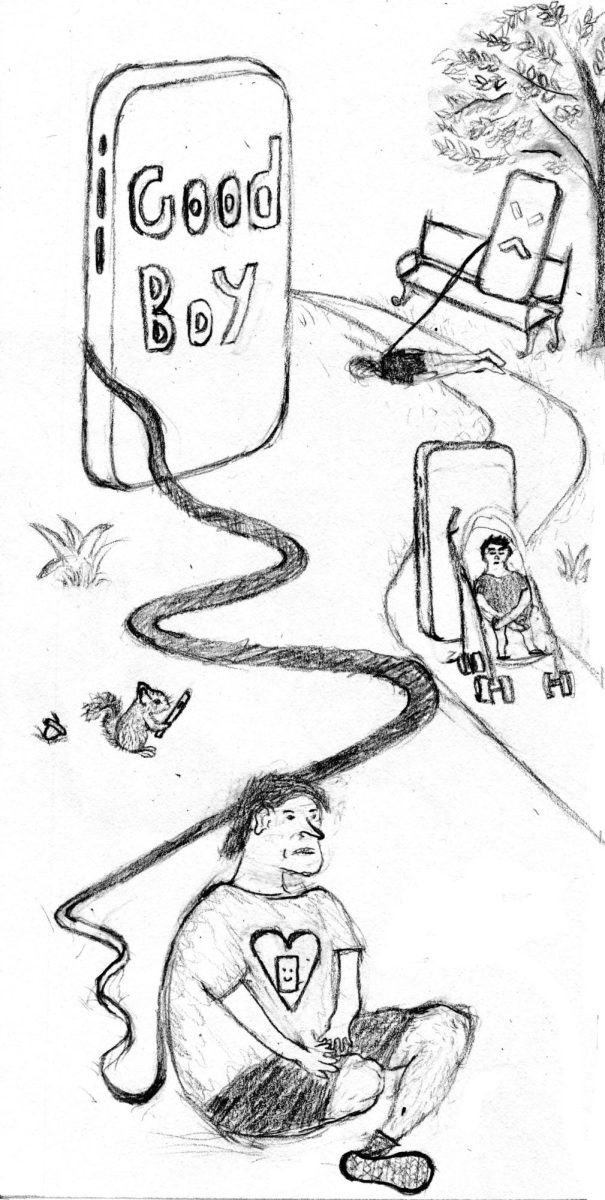
So no, scrolling on TikTok for hours on end isn’t healthy. But, it can be difficult to break out of the never-ending doomscrolling cycle because the social media corporations behind TikTok, Instagram Reels, YouTube Shorts, Snapchat Spotlight, etc., are literally trapping your attention with algorithms designed to maximize the amount of time you spend scrolling.
So how do you break the cycle? Set boundaries and hold yourself accountable. Use apps that restrict screen time on social media. Try to be more mindful when using your phone. Screen time is an addiction, and it has to be treated as one. By staying disciplined and building healthy habits into your day-to-day life, such as “no phones at the dinner table” and prioritizing in-person socialization, you will find yourself a lot happier.