










![Movie poster for '[Rec]" (2007).](https://www.lionnewspaper.com/wp-content/uploads/2023/04/rec-640x900.jpg)


For 25 volunteer hours, you can be accepted into the National Honor Society. For 100, you can be seen as kind, for 175, seen as giving, and for 200, you can be admired. Kindness in exchange for academic status. Therefore, this is not exactly volunteering, charity, or even true kindness.
Volunteer hours have been a measure of character and a tool for high school students to get scholarships, recommendation letters, into certain colleges, and more for over 50 years. Initially, the National Honor Society became popular to foster community engagement, empathy, and responsibility.
Yet, with so many students feeling forced to game the system to achieve a prescribed amount of volunteer hours, I wonder if we’ve lost the civic-mindedness National Honor Society intended to promote.
First and foremost, let’s be honest, nobody is naturally good. Some believe in karma as a power to convince them not to flirt with their best friend’s boyfriend. Some believe in god(s) that will punish or bless them for not stealing $15 makeup. While as a society, we have entire law systems built to scare us into simply not killing each other. Volunteering is a system that truly does define kindness, supporting the idea that what makes a person good is their choice to choose kindness without expecting anything in return. Volunteer hours are teaching youth that doing good is transactional, not only building bad habits for our future adults, but also killing empathy. We’re not feeding the starving children because they’re starving, we’re feeding them because we’d like to type National Honor Society on our Common Apps.
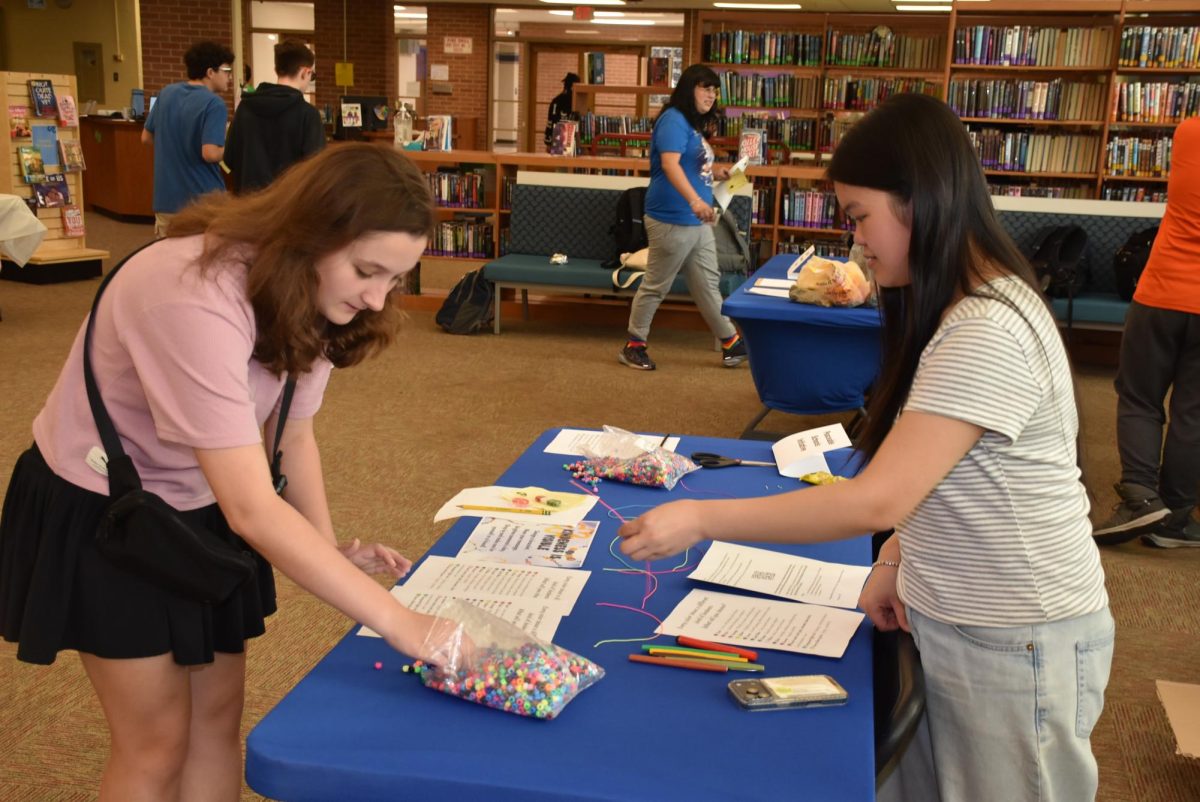
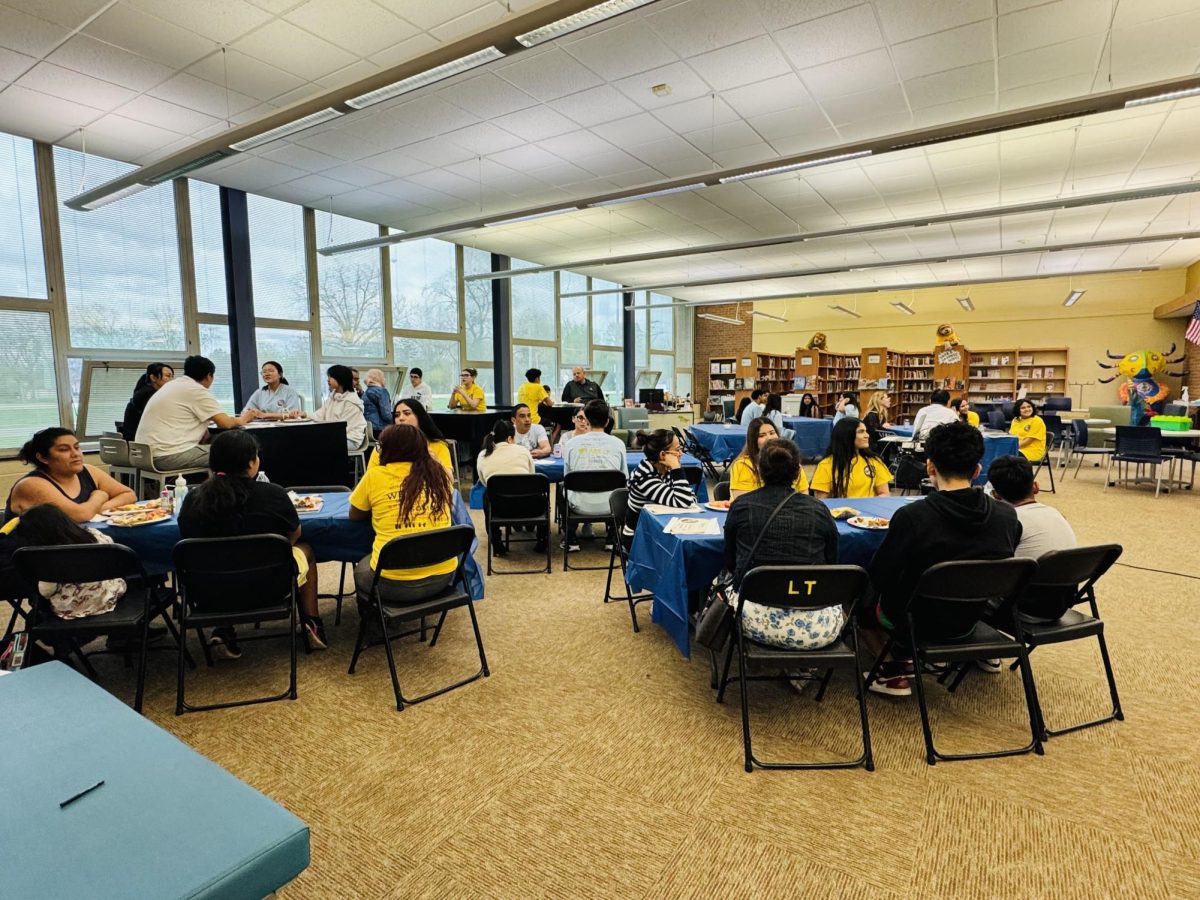
Last time I went to the Drop-In Center, my tutor opened up the math key and recited it almost word for word. Then, last time I saw the Recycling Club, 10 girls laughed up and down a hallway for 10 minutes while I was making up a test. Spaces of volunteer opportunities have become playgrounds and performative. We’re not cleaning up our environment because we have poisoned it for our future children; we’re cleaning because it looks good on a resume.
I know too many students in 20 volunteer clubs at LT with 10 different leadership positions, and one thing every other person in their club can say is that they aren’t committed, they’re never there, or they don’t actually do anything.
Volunteering for two hours per organization, not only contrasts with the supposed exemplified characteristics, but also hurts the organizations and non-profits as well. Consistency is one thing all volunteer recruits look for. After April 1, when all students have their total hours, the volunteer work of those organizations doesn’t simply stop. They still rely on volunteers, and the students’ neglect of their commitments affects their long-term initiatives.
Volunteer hours make kindness a measurement and a job rather than a good deed. Volunteering is chosen kindness that’s consistent, genuine, and cannot be weighed by hours. Going to every event and asking for a signature of volunteer hour verification, goofing off for the entire time, and treating volunteer spaces like labor grounds were not a part of the idea of volunteer hours. Our generosity is dying, and in the process, we are teaching the youth that kindness is supposed to be transactional. If I were to make a change, I would suggest that volunteering shouldn’t be quantified by hours; it should be quantified by a commitment to a cause, the quality over the quantity. Why are we putting caps on compassion?