


















![Movie poster for '[Rec]" (2007).](https://www.lionnewspaper.com/wp-content/uploads/2023/04/rec-640x900.jpg)



Walking into a food pantry, the first thing you notice is the people. Women, men and children lined up outside, bundled in coats, as middle school to adult volunteers in aprons share smiles and pack and distribute brown paper bags. Then, the second thing you notice is the sound: voices of parking assistants directing cars where to park, the crinkling of paper bags, and the chatter of subtle vulnerability and vibrant connection.
On Saturday, Nov. 1, at Westchester Food Pantry, there was more of everything. More people to see, more sounds to hear, and more vulnerability than anything.
“Having a food pantry brings a sense of belonging to the community,” Westchester Food Pantry Junior Advisory Board President and LION Managing Editor Rhia Nagale ‘26 said. “Anyone who is struggling can find help when they need it through their neighbors.”
According to the Food Research & Action Center, over 40 million Americans are food insecure in the U.S. Cook County alone accounts for about 800,000 of that number, according to the Greater Chicago Food Depository. At the brink of the Thanksgiving season, families reliant on the Supplemental Nutrition Assistance Program—a welfare program that provides funds to low-income people for groceries commonly known as SNAP—did not receive their monthly food stamp money in consequence of the Oct. 1 government shutdown. This prompted the community to gather in a time of uncertainty and hardship to combat hunger and share food resources.
“[There’s] a stigma that can surround food insecurity,” LT class of 2026 social worker Gina Horeni said. “The more we talk directly about the difficult things happening, the easier it can become to [ask] for help when [needed].”
Government shutdowns have occurred under many presidential terms, with this occurrence due to partisan disagreements in Congress over federal spending levels. Typically, government shutdowns lead to the closure of national parks and payment delays to civil service workers, but they have never lasted long enough for a nationwide halt of SNAP.
So, as November 2025 began, drastic and startling changes occurred. The Greater Chicago Food Depository, a non-profit charity that supplies most of the nutrition to various pantries in the Chicagoland area, cut out its supply of sides and fresh produce. Pantries began to rely more heavily on food reclamation, picking up food no longer sellable but edible from local stores. Businesses, organizations, and neighbors contributed a larger portion of donated food and funds. Food pantries like the Westchester Food Pantry saw their turnout double and had to prepare for change: adding additional registration stations, parking attendants, and prepared food in supply bags.
“If we are still serving this many people by the end of the month, we’ll have helped over 900 households,” Westchester Food Pantry Executive Director Amanda Grant said. “[This is] just us trying to meet the need. I’m grateful that the community has really stepped up.”
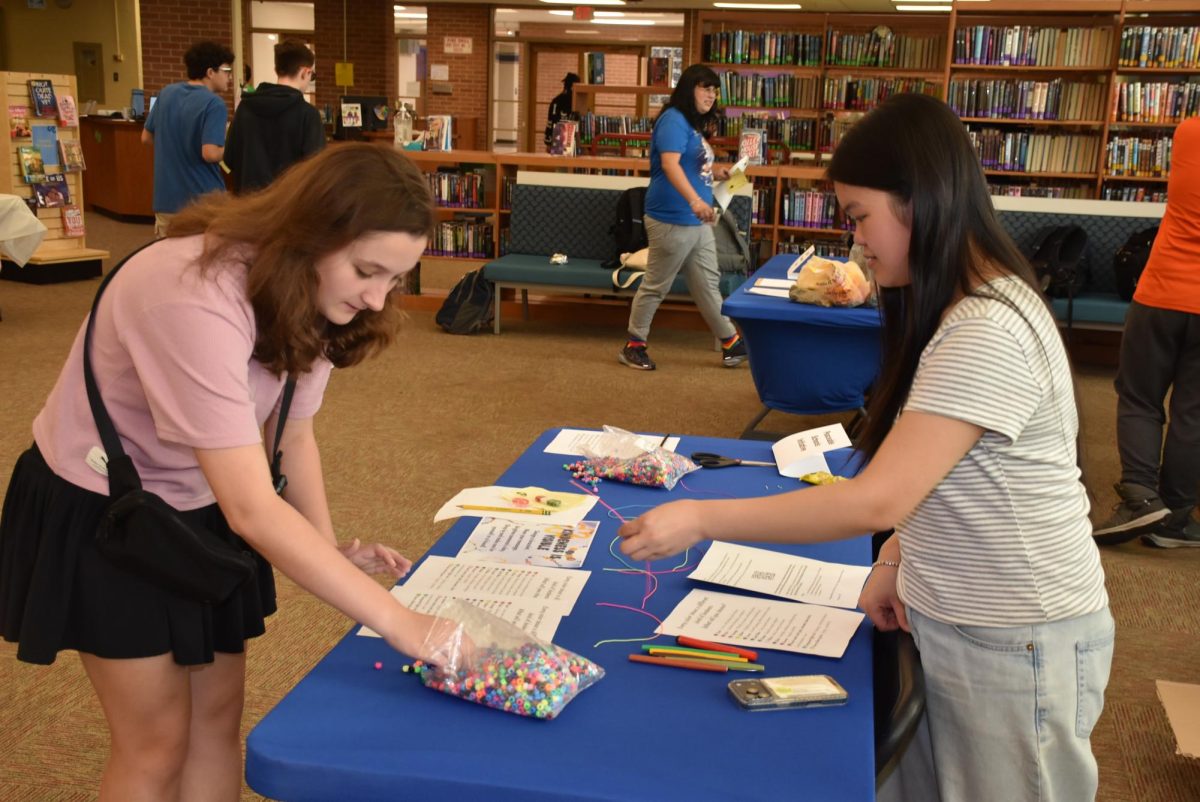
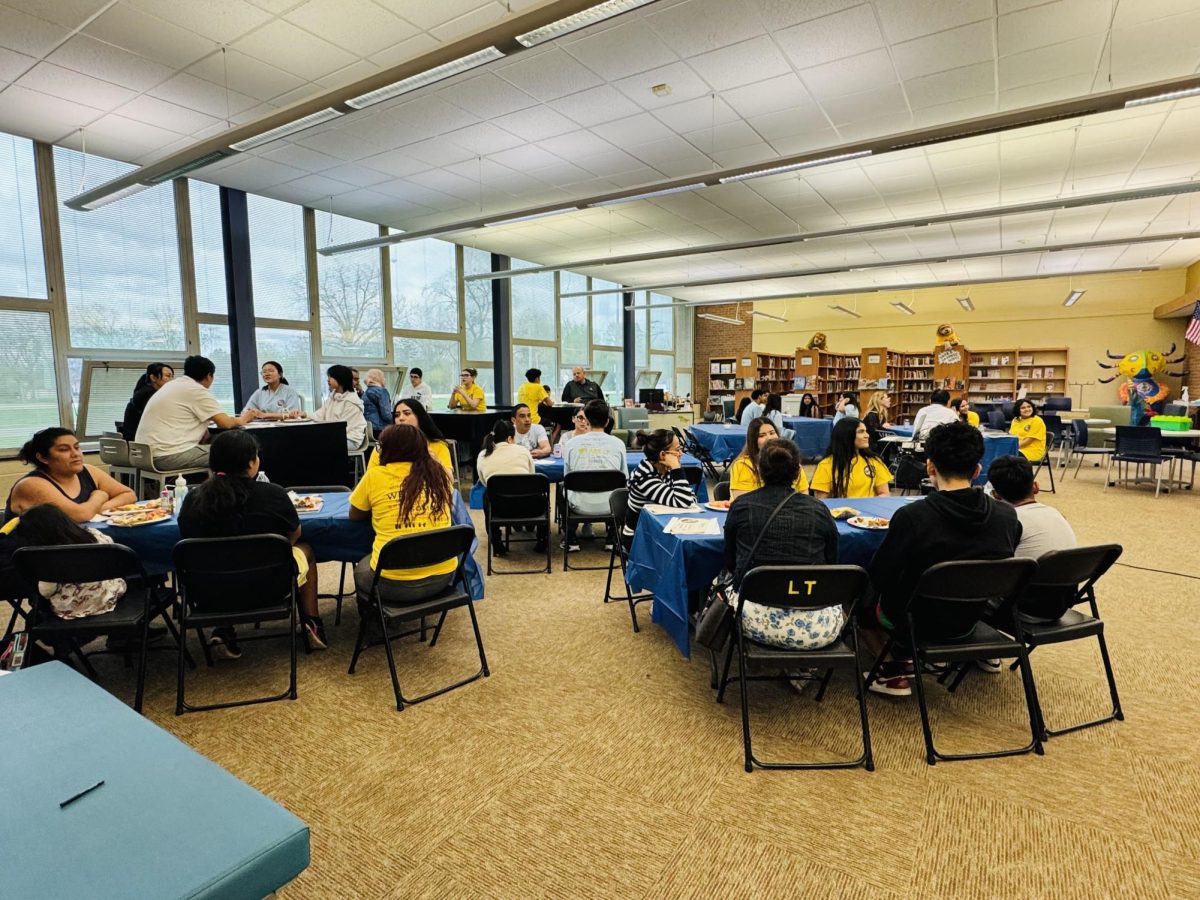
On Nov. 7, a partial SNAP payment was distributed to select states, including Illinois, but the community’s needs continued to expand. Front-yard food pantries appeared in towns like Naperville; restaurants like the Wooden Paddle in La Grange offered free meals to SNAP recipients; and churches like St. Cletus continued to host walk-in pantries. Within LT’s walls, the National Honor Society advanced its annual food pantry, the Student Equity and Belonging Committee organized a sandwich-making event alongside a sock drive for BedsPlus, and students like Nagale and more took on leadership challenges at the Westchester Food Pantry Advisory Board.
“Our community [needed] support more than ever,” Nagale said. “Efforts of the Junior Advisory Board are only possible because of the kindness that comes from the community.”
Spanning 43 days, surpassing the previous record of 35 days set in 2018-2019, the government shutdown ended on Nov. 12 with Congress passing a funding bill for presidential approval and signature. On Nov. 20, all Illinois SNAP recipients received full benefits from the Illinois Department just in time for the holiday season. For the LT community and surrounding neighborhoods, this will mark a memorable holiday season of unity.
“It’s so easy to feel discouraged [lately, but] I just lived through a historical moment [where] my peers and community showed nothing but support, [so] that gives me hope,” an anonymous LT student who receives SNAP benefits said.